
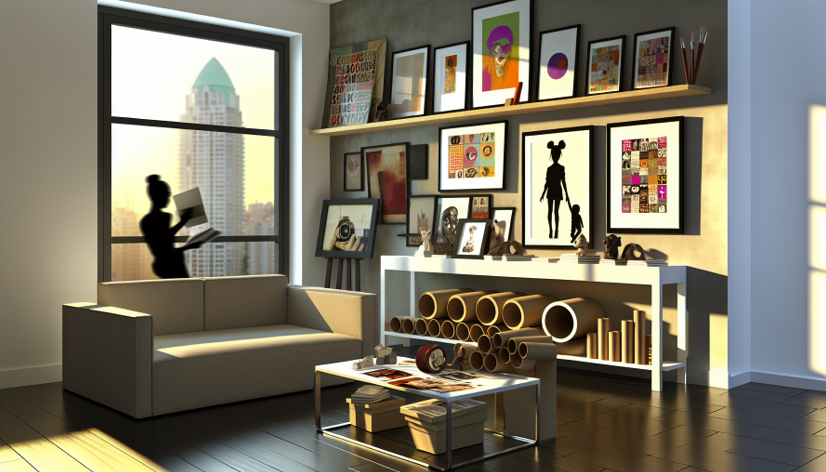
Art collecting used to bring one clear image to mind, a quiet gallery and a big price tag. Many younger buyers now start somewhere else, with a wall at home and a phone in hand. Prints, posters, and merch can feel personal without feeling out of reach.
This shift is not only about cost. It is also about taste, identity, and the stories people want to live with. As a result, the line between decor and art keeps getting thinner.
Why Prints Changed What Counts
Young collectors often treat everyday spaces as their first gallery. That choice changes what gets called “serious” and why it matters. Prints, posters, and merch fit this new way of collecting because they travel fast and live close.
When the wall becomes the gallery
This section looks at how collecting starts in real rooms, not formal spaces. It also explains why sharing and displaying matter as much as buying. For many new collectors, the first goal is to make a room feel intentional.
A bedroom wall, a rented apartment, or a studio corner can become a rotating exhibition. Online shops make browsing simple, and options feel endless. Many people begin by scanning collections of stylish prints and poster and then building a look piece by piece.
Social feeds also shape taste through quick comparisons. A framed print can signal the same care as a canvas. The display becomes a daily reminder of what matters.
What gives posters real collecting value
This section breaks down what makes a print feel meaningful over time. It also clarifies simple terms that help buyers choose with confidence, citing an expert collecting guide for further context. It also notes how small choices affect long term satisfaction.
Edition size, paper quality, and the way ink sits on a surface all affect how a print looks. Clear language helps, especially when a seller lists details. For basic background, the Metropolitan Museum of Art offers an overview of printmaking that explains how prints are made.
Value can also come from context, not rarity alone. A poster from a local show can mark a turning point. A merch drop tied to an artist’s project can hold the memory of being there.
Several common signals help younger collectors decide what to keep. These checks focus on durability, fit, and personal meaning. They can also prevent impulse buys that lose appeal quickly.
- A piece matches a personal theme that still feels true months later.
- The print quality holds up in daylight and does not look flat.
- The image connects to a moment, like a trip, show, or milestone.
- The work fits the space without forcing the room to change.
How young collectors build a theme
This section shows how collections become coherent without strict rules. It focuses on simple methods that work in small spaces. A clear theme makes new pieces easier to judge.
Many collectors start with one anchor idea, like color, subject, or mood. Then they add pieces that echo that choice in small ways. For example, a set of graphic posters can sit next to a photo print if the tones match.
Artists and small platforms can support this by sharing clear series and simple hang guides. Good framing options also help a wall look finished. Over time, the collection becomes a visual diary that keeps growing. Serious collecting often means living with art rather than storing it. Sharing a wall online can also sharpen taste through feedback and comparison.
A few habits can keep this approach thoughtful and lasting. Many collectors buy fewer pieces and give each one a clear place. Notes about why a piece mattered can make the collection easier to curate later.
- Buy fewer pieces, then give each one a clear place.
- Save notes about why a piece mattered at the time.
- Mix one bold work with calmer pieces for balance.
Looking ahead
As these collections grow, they can still lead to originals, commissions, and deeper study. However, they already carry real intent in daily life. The definition of serious art keeps changing because the audience keeps changing. Serious art is what earns space on the wall and stays there.
Prints, posters, and merch make it possible to start small and learn quickly. The most lasting collections reflect values, not just trends. That mindset can connect home display with broader support for artists.