
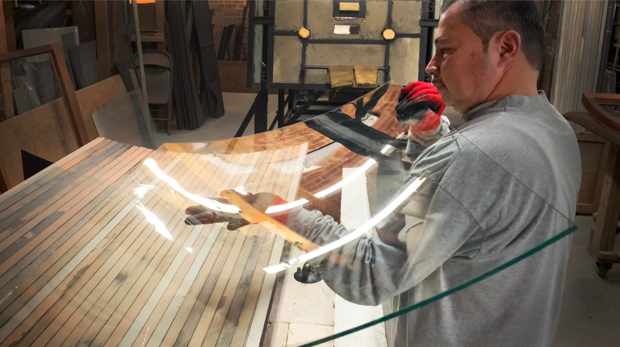
Glass has fascinated artists for centuries, but contemporary glassmaking is expanding far beyond traditional vases and decorative ornaments. Today’s glass artists, designers, and architects are experimenting with organic shapes, innovative manufacturing techniques, and sustainable materials to create works that challenge conventional boundaries.
From intricate sculptures to curved windows made using bent glass, modern glass art trends reflect a growing interest in combining traditional craftsmanship with advanced technology. As creative disciplines increasingly overlap, glass is becoming an important material in both artistic expression and architectural design.
1. Sculptural Glass Art Embraces Organic Shapes
One of the most interesting developments in contemporary glass art is the movement toward irregular, flowing forms.
Rather than concentrating exclusively on symmetrical vessels, artists are creating sculptures that resemble water, natural landscapes, and biological structures.
These designs often incorporate twisting surfaces, exaggerated proportions, and unusual textures that interact with surrounding light.
Glassblowing remains central to this approach, although kiln-forming and casting techniques provide additional creative possibilities.
The movement also connects with wider art trends shaping contemporary creativity, particularly the growing emphasis on tactile experiences and unconventional materials.
For collectors, sculptural glass offers something different from traditional paintings. Its appearance can change throughout the day as natural and artificial lighting alter reflections, shadows, and transparency.
2. Curved Windows and Bent Glass Become Architectural Art
Perhaps one of the most striking developments in architectural glass design is the increasing use of curved windows.
Traditionally, windows were designed around flat rectangular panes. However, modern glass-bending technology allows architects to introduce sweeping curves, rounded corners, and flowing transparent surfaces.
Bent glass can be manufactured through thermal processes that heat glass before shaping it, or through carefully engineered cold-bending methods.
These techniques enable curved windows to become prominent architectural features rather than simply functional openings.
Curved glazing is particularly effective in contemporary residential properties, galleries, hotels, and commercial buildings where designers want to soften rigid architectural lines.
The aesthetic possibilities extend beyond appearance. Carefully designed curved windows can create unusual perspectives, allow natural light to enter from different angles, and establish stronger visual connections between interior and exterior spaces.
Research published in architectural curved glass design examines how digital modeling and advanced manufacturing techniques support increasingly complex glass structures.
However, bent glass requires precise engineering, appropriate glazing specifications, and specialist installation. Its performance depends on factors including curvature, thickness, framing, and structural loads.
As architectural creativity evolves, curved windows demonstrate how glassmaking can transform an everyday building component into a distinctive artistic statement.
3. Sustainable Glassmaking Gains Creative Importance
Environmental responsibility is another important consideration influencing contemporary glassmaking.
Producing new glass requires significant energy, particularly during melting and forming. Consequently, artists and manufacturers are exploring ways to reduce waste, reuse materials, and improve production efficiency.
Recycled glass can become an attractive material for decorative sculptures, mosaic installations, and artistic home accessories.
Some artists deliberately incorporate imperfections, color variations, and reclaimed fragments into their work, transforming discarded materials into original designs.
This approach reflects broader developments in sustainable art and eco-friendly creativity.
Nevertheless, sustainability claims require careful consideration. Recycling processes still consume energy, and not every type of glass can be reused in every manufacturing application.
The most meaningful improvements combine thoughtful material sourcing with efficient production and durable design.
4. Digital Technology Changes How Glass Art Is Created
Digital design tools are opening new possibilities for glass artists who want to experiment with intricate geometry.
Computer-aided design software allows creators to visualize complex shapes before committing materials to production.
Meanwhile, 3D modeling can help designers understand how curved glass surfaces will interact with surrounding structures.
In architectural applications, these technologies are particularly valuable because small variations in geometry can affect installation and structural performance.
Advanced manufacturing methods also make it possible to translate digital concepts into precisely shaped glass components.
A study published in curved architectural glass manufacturing highlights developments in precision forming and complex curved surfaces.
For artists, the relationship between digital technology and traditional craftsmanship creates opportunities to explore designs that would previously have been difficult to produce.
5. Textured and Colored Glass Returns to Interior Design
Although transparent glass remains popular, textured and colored finishes are attracting renewed creative interest.
Fluted glass, frosted panels, patterned surfaces, and tinted decorative pieces can introduce visual depth without overwhelming a room.
Textured glass partitions are particularly useful in interiors where designers want to separate spaces while maintaining some natural light.
Colored glass can also create dramatic effects when incorporated into lighting fixtures, wall installations, and decorative panels.
Amber, green, blue, and smoky finishes offer different atmospheres depending on their surroundings.
These approaches complement the growing interest in neo-brutalism and contemporary design, where materials, geometry, and strong visual contrasts become central design features.
The result is an approach to glassmaking that values surface treatment as much as shape.
6. Large-Scale Glass Installations Create Immersive Experiences
Glass art is also moving beyond conventional gallery displays.
Large suspended sculptures, illuminated installations, and reflective environments allow visitors to experience artwork from multiple perspectives.
Instead of observing a single object, audiences can move through spaces where transparency, color, and light continuously change their surroundings.
Glass is particularly suitable for immersive installations because it can reflect, transmit, and distort light simultaneously.
Some contemporary projects combine physical glass elements with digital projections or responsive lighting systems.
These installations demonstrate how traditional materials can participate in increasingly experimental artistic environments.
The Future of Contemporary Glassmaking
The future of glass art lies in the relationship between craftsmanship, technology, and creative experimentation.
Traditional techniques such as glassblowing and kiln-forming continue to provide the foundation for artistic production, while digital modeling and advanced manufacturing expand the possibilities.
From sustainable sculptures to curved windows constructed using bent glass, the material is finding new applications across galleries, homes, and architectural landmarks.
For artists and designers, glass offers an unusual combination of strength, transparency, flexibility of form, and interaction with light.
As these creative possibilities develop, glassmaking will continue to occupy an important position where fine art, craftsmanship, and architectural innovation meet.