Artists Team Up with Algorithms
AI isn’t stealing the spotlight it’s becoming a toolset. More and more artists are using generative platforms like DALL·E, Midjourney, and Runway not to replace their creativity, but to extend it. These tools let them test wild concepts, iterate faster, and explore aesthetics that would take weeks or months to develop by hand. Instead of pixel perfect control, the approach now welcomes happy accidents and strange beauty.
For many creatives, the process starts with a prompt words become brushstrokes. But the real magic happens after that: artists edit, remix, overlay, and rework the machine’s output into something uniquely their own. Think of AI as a collaborator: it throws out raw ideas, and the human takes it from there.
Take Berlin based visual artist Liza Andronova, who merges glitchy AI renderings with classical oil techniques. Or Marcus Day, a digital sculptor combining Midjourney textures with 3D scans from urban architecture to create surreal, generative cityscapes. These aren’t just graphics they’re statements on authorship, speed, and what it means to shape an image in the age of endless input.
AI is speeding up production, no doubt. But the best work still honors vision over volume. Imagination is still in charge. The tools have changed, not the core instinct to make something that resonates.
The Rise of Eco Conscious Creativity
Green art isn’t just a niche it’s gaining ground as a foundational shift. More artists are ditching plastic and petroleum based materials in favor of biodegradable alternatives like natural latex, paper pulp, seaweed based resins, and recycled metals. Installations built from salvaged scrap or community donated surplus are no longer fringe they’re increasingly the main attraction, especially in progressive galleries and festivals.
Studios are going zero waste or close to it. That means cutting down on shipping, choosing reusable tools, and sometimes even building modular spaces that adapt to the landscape then disappear when the project ends. Local sourcing is also moving from trend to baseline: pigments from nearby minerals, canvas from cooperatives, and reducing the carbon cost of making and moving art.
Institutional support is finally catching up. Grants are now more likely to reward artists who integrate sustainability from concept to cleanup. Curators are pushing for shows that don’t just look green, but operate green. Residencies and programs are prioritizing projects that collaborate with ecology as much as with culture.
For more depth, check out the breakdown of eco friendly art movements.
Where AI and Sustainability Intersect
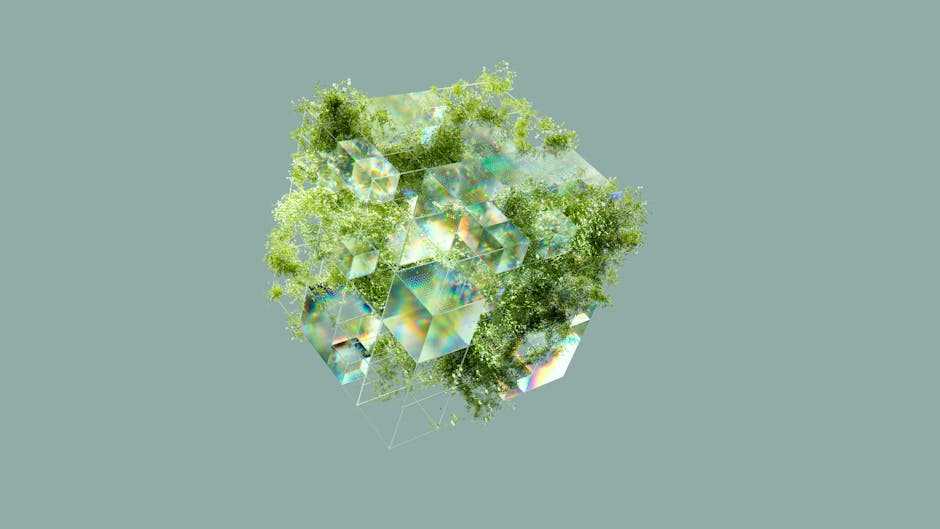
Efficiency and intention are finally meeting in the creative process and AI is playing a quiet but powerful role. Artists are using generative tools not just to dream up ideas, but to prototype smarter. Instead of burning through canvas, resin, or rare materials, they’re testing compositions digitally first. Think of it as sketching at the atomic level with far less waste.
Digital twins are also stepping up. These are virtual replicas of physical works or environments that let artists simulate everything from material performance to spatial layout. Want to see how a sculpture weathers light over time or how a mural integrates into an urban space? Run it through a model before you even buy the paint.
Then there’s the NFT story far from dead, but definitely evolving. Energy intensive blockchain platforms are giving way to low footprint alternatives. Artists minting digital works are opting for eco friendly networks that don’t steamroll the environment. The result: NFTs that aren’t just collectible, but consciously created.
The takeaway? Sustainability in art is no longer just about materials it’s embedded in process. And AI is helping rewrite how we get from idea to impact.
The Ethical Responsibility of Creators
As technology revolutionizes creative processes, artists are facing new ethical challenges particularly when blending AI with environmental consciousness. With this shift, integrity, transparency, and accountability are rising as vital cornerstones of modern art making.
Rethinking Data Bias in AI Art
The data that trains AI models plays a significant role in defining their output. Artists working with generative tools must ask hard questions:
Whose art, culture, and history are being represented or left out?
Are these datasets inclusive of diverse styles and traditions?
Could biased training data reinforce harmful stereotypes or limit creative range?
These concerns aren’t just theoretical they influence how AI generated art is perceived and used in professional spheres.
Speed, Efficiency, and the Environment
AI tools can radically speed up workflows, from prototyping to curation. However, creatives are realizing that speed shouldn’t come at the expense of eco consciousness. Striking a balance between innovation and mindfulness requires:
Evaluating the energy costs of using large AI tools
Incorporating sustainable practices even in digital first studios
Avoiding “tech for tech’s sake” and pushing for purpose driven automation
Transparency as Creative Practice
More than ever, transparency is becoming a creative act in itself. Artists and institutions are embracing openness about:
Data sources used in AI generated works
Materials and energy footprints
Production processes and collaborative methods
Clear communication builds trust with audiences, collectors, and collaborators and positions artists as responsible stewards of both technology and the planet.
For deeper insight into ethical and sustainable art practices, explore related eco friendly art movements.
What’s Shaping the Future
AI isn’t the artist it’s the assistant. The idea that algorithms can replace human creativity is losing ground. More artists now treat AI like a smart brush or collaborator: helpful, fast, but never in full control. The best work coming out today uses machine learning not to do the job, but to expand how the job gets done.
Meanwhile, eco art has moved beyond trend status. It’s no longer just catchy titles or recycled materials slapped together for impact. This is a full on movement. Installations built with regenerative resources, immersive works powered by solar energy, even canvas made from mushroom mycelium these aren’t fringe. They’re becoming central.
The shift is collective. Artists are asking better questions. Collectors are funding with ethics in mind. Institutions are backing low impact residencies and restructuring exhibitions for less waste. The result? A creative ecosystem that’s smarter, cleaner, and more aligned with the realities of today’s world.
This isn’t just where art is headed it’s where it already is. And the line between tech innovation and environmental responsibility is only getting thinner.