
What’s in Your Ink, Really?
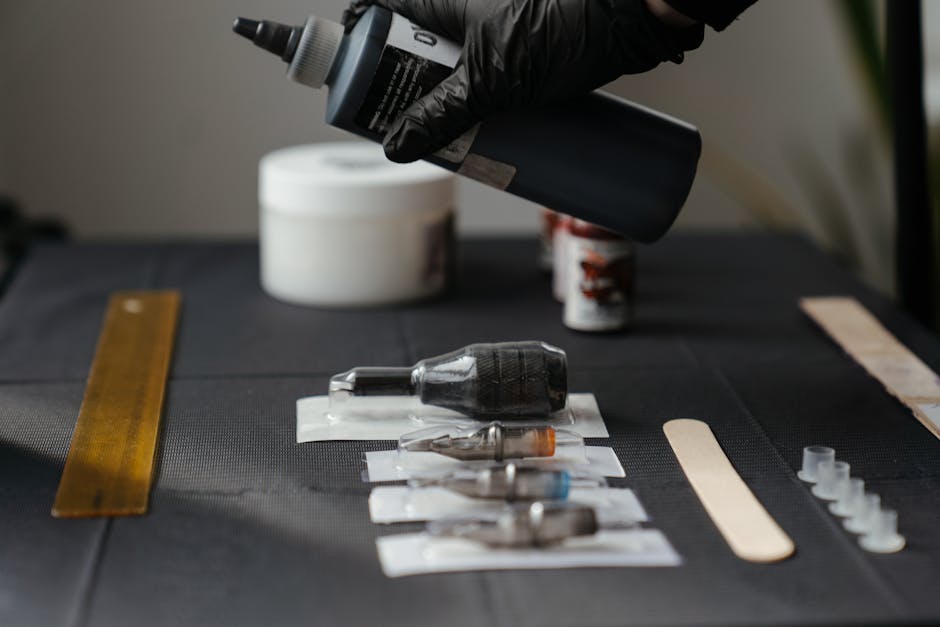
Tattoo ink isn’t just pigment it’s a chemical cocktail. Most conventional, chemical based inks contain heavy metals like lead, nickel, and chromium. These help achieve bright, long lasting colors, but they also bring risks: allergic reactions, toxicity concerns, and unknown long term effects. On top of that, you’ll often find synthetic carriers like propylene glycol and preservatives to keep bacteria at bay and maintain shelf life.
“Natural” ink, on the other hand, skips the industrial additives. These formulas lean on plant based pigments (think turmeric, beetroot, or walnut shell), carbon black from burned wood, and naturally occuring minerals like iron oxide. That may sound cleaner and often is but there’s no universal standard or regulation on what qualifies as truly natural.
Whether you go synthetic or natural, pigments don’t travel through skin alone. Carriers do the heavy lifting, ensuring even distribution and sterility. Alcohols are common in both camps, along with water or more skin friendly choices like glycerin. The difference is subtle but important: a natural ink with a strong plant base might still rely on synthetic alcohol as a carrier.
Bottom line both ink types are chemical in some form. It’s less about buzzwords and more about knowing what’s going into your skin.
Safety Profile: Chemical Inks
Chemical based tattoo inks have been the industry standard for a reason. They offer consistent color payoff and a broad spectrum of shades from bold primaries to subtle pastels that allow artists to get precise results. For work that needs definition and longevity, chemical pigments deliver.
But there’s a tradeoff. These inks often contain potentially irritating components: synthetic dyes, binders, preservatives and in some, heavy metals. Reactions like redness, swelling, and long term pigmentation issues aren’t rare, especially in sensitive skin. The problem isn’t just what’s in the ink it’s how little regulation surrounds it.
In the U.S., for example, the FDA doesn’t actively approve tattoo inks before they hit the market. That means there’s no standard list of safe ingredients, and companies don’t have to disclose everything inside. Add the fact that rules vary widely across countries and even states and you get a murky landscape where safety depends heavily on the manufacturer and the artist’s sourcing choices.
Bottom line: chemical inks can be safe, but only if they’re vetted, high quality, and used by professionals who know what they’re doing. Don’t walk in blind. Ask questions.
Safety Profile: Natural Inks
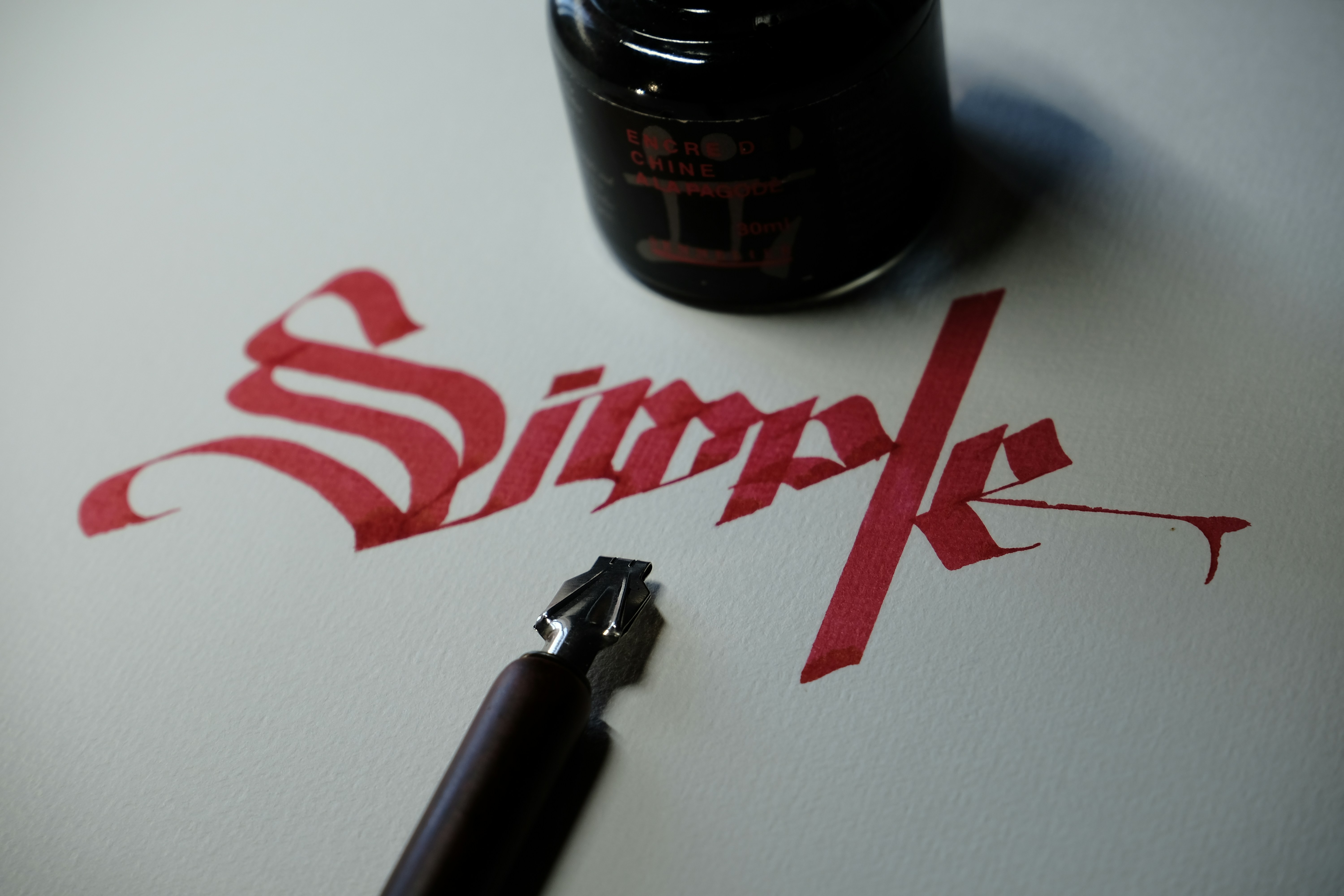
Natural tattoo inks are having a moment and for good reason. One of the main appeals is that they tend to include fewer synthetic additives. For people with sensitive skin or a history of allergic reactions, this can make a noticeable difference. Ingredients like carbon black, vegetable based pigments, and natural mineral compounds give these inks a cleaner profile on paper.
But there’s a trade off. Natural inks usually come with a limited color palette, and even those colors often fade faster over time. If you’re expecting bold saturation or long lasting vibrancy, you might be disappointed. There’s also a separate risk: if natural inks aren’t processed or stored properly, contamination becomes a concern. Just because something is natural doesn’t mean it’s automatically safe.
And then there’s labeling. The term “natural” isn’t consistently regulated in the tattoo industry. One brand’s definition could mean 90% plant based; another’s might still contain synthetic carriers or preservatives. Read the ingredient list, ask questions, and don’t let buzzwords do the thinking for you.
Skin Reactions and Aftercare Considerations
Not all ink plays nice with your skin. Chemical based inks, especially those containing metals like nickel or chromium, are more likely to trigger allergic reactions think rashes, swelling, or persistent itching. Natural inks aren’t automatically safe either; they can still cause problems like infections or granulomas if not processed or handled properly. Granulomas, by the way, are small lumps that form when the body treats the ink like an invader. Not ideal.
Ink type also affects how your tattoo heals. Inks with high synthetic content may look great going in but can irritate sensitive skin or prolong healing. Natural inks might be easier on some skin types but can fade unevenly or trigger issues if the formulation wasn’t sterile or consistent. Either way, scarring risks go up if the body doesn’t take well to what’s being pushed under your skin.
This is why patch testing matters. A simple pre tattoo swab of the ink on your skin can flag reactions before they become permanent regrets. Pair that with an honest chat with your artist ask what they’re using, why they trust it, and if it’s the best fit for your skin goals. Your skin’s long term health isn’t worth leaving to guesswork.
How to Choose the Right Ink for You
Before the needle touches your skin, ask questions. Start with the basics: where does your artist source their ink, and can they back it up with safety certifications? If they get cagey or vague, treat that as a red flag. Reputable professionals know their materials and have zero problem being transparent about them.
Next, think skin first. Everyone reacts differently, so you’ll want to factor in your specific skin sensitivities, especially if you’ve had allergic reactions in the past. Placement and color matter too delicate areas might not handle intense pigments well, and some hues are more reactive than others.
The shop itself is as important as the ink. Clean needles are obvious, but it’s also about air quality, glove changes, and sterilized equipment. Hygiene isn’t optional, and neither is a clear consultation. If the artist isn’t willing to talk you through the process, find someone who will.
Get familiar with the tools and methods involved in quality tattooing in this guide on tattoo tools and techniques. It’s the details ink source, skin fit, studio integrity that separate a regret from a lifelong piece of art.
The Bottom Line
There’s no universal answer when it comes to tattoo ink. Chemical or natural, what matters most is that you’re informed and honest with yourself about your skin, your sensitivities, and your goals.
Trends might nudge you toward “natural” as the safer bet, but it’s not always that simple. The real risk lies in the full picture: the ingredients in the ink, how it’s processed, and just as crucial who’s putting it into your skin. A great artist with sterilized tools and solid technique will beat an uninformed choice any day.
At the end of the day, you wear the tattoo, not the trend. Take time, ask the right questions, and work with someone who knows what they’re doing. Your skin’s long term health is worth more than a shortcut. For more on proper tools, technique, and hygiene, check out tattoo tools and techniques.
 Harriet Bellvovy, the visionary founder of Innov Art Foundry, has cultivated a platform that seamlessly bridges the traditional and modern aspects of the art world. Under her leadership, Innov Art Foundry has become a hub for the latest art news, keeping enthusiasts and professionals alike informed about significant exhibitions, breakthroughs, and emerging trends. Her commitment to fostering a vibrant art community is evident in the platform's comprehensive coverage, ensuring that artists and art lovers are always at the forefront of the dynamic landscape.
In addition to art news, Harriet Bellvovy has expanded Innov Art Foundry's focus to include art entrepreneurship, providing valuable insights for artists aspiring to turn their creative passions into thriving businesses. Her dedication to exploring diverse forms of artistic expression is further showcased in the platform's deep dive into tattoo art and the transformative role of virtual reality in the art world. Harriet's innovative approach continues to inspire and empower a new generation of artists, making Innov Art Foundry a vital resource in the contemporary art scene.
Harriet Bellvovy, the visionary founder of Innov Art Foundry, has cultivated a platform that seamlessly bridges the traditional and modern aspects of the art world. Under her leadership, Innov Art Foundry has become a hub for the latest art news, keeping enthusiasts and professionals alike informed about significant exhibitions, breakthroughs, and emerging trends. Her commitment to fostering a vibrant art community is evident in the platform's comprehensive coverage, ensuring that artists and art lovers are always at the forefront of the dynamic landscape.
In addition to art news, Harriet Bellvovy has expanded Innov Art Foundry's focus to include art entrepreneurship, providing valuable insights for artists aspiring to turn their creative passions into thriving businesses. Her dedication to exploring diverse forms of artistic expression is further showcased in the platform's deep dive into tattoo art and the transformative role of virtual reality in the art world. Harriet's innovative approach continues to inspire and empower a new generation of artists, making Innov Art Foundry a vital resource in the contemporary art scene.