
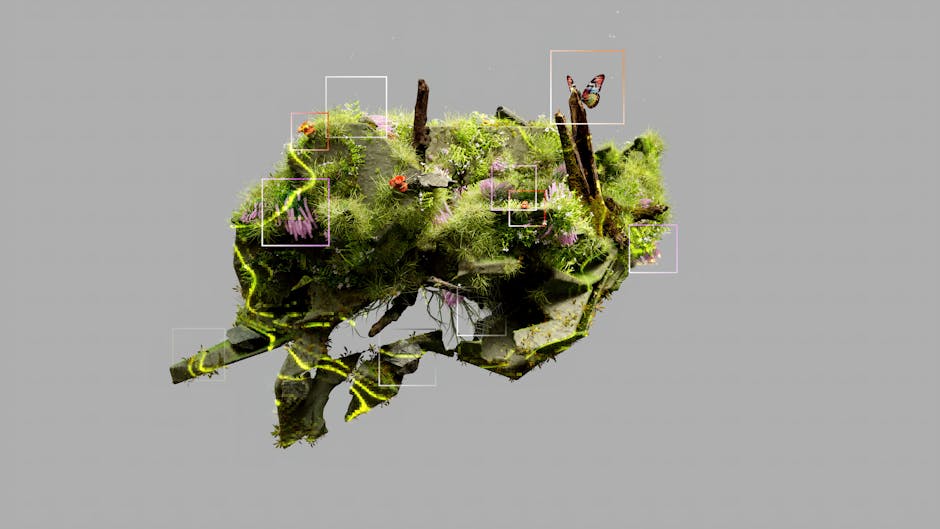
What’s Changing in the Museum World
Museums have always been bound by physical reality buildings with walls, hours, and ticket prices. That model works, but it comes with limits. Some people live too far to visit. Others can’t afford it. And once you’re inside, the experience is shaped by what’s been curated, where it’s installed, and how fast the crowd moves.
Virtual museums are quietly rewriting those rules. No travel required. Open 24/7. Free or low cost access from anywhere. We’re seeing global audiences tune in without having to step foot inside a building.
But it’s more than just convenience. Virtual museums give creators and institutions room to reimagine how we encounter culture. Exhibits can be immersive layered with audio, movement, or interactive elements that don’t work in traditional spaces. There’s no cap on layout or space, and the reach stretches far beyond local foot traffic.
For the visitor, this means deeper access, more active engagement, and fewer barriers economic or geographic. For museums, it means relevance in a digital first world that expects more openness, more innovation, and less gatekeeping.
VR as a Game Changer for Exhibitions
Virtual museums don’t deal in floor plans they deal in freedom. With no physical walls to navigate, curators are structuring experiences, not rooms. Visitors can move through a gallery in any direction, at any pace, and from anywhere in the world. The barrier between art and audience gets thinner, replaced by motion, sound, and choice.
Interactive layers are defining the next gen virtual exhibition: 3D walkthroughs that function like video games; audio narration designed to engage without interrupting; and user controlled pacing that gives visitors time to connect with the material. It’s less about visiting a space and more about entering a story.
High impact features seal the deal: realistic lighting that shifts with perspective, textures you can almost feel through a screen, and environments that adjust dynamically based on device or bandwidth. It’s a solid mix of tech and intention and it’s setting a new bar for what museum experiences can be.
Reimagining the Visitor Journey
Old school museums expected visitors to move through exhibits in a fixed order, reading plaques, staying silent, and rarely interacting. That’s changing. Virtual museums in 2024 are turning passive viewing into active exploration. Visitors aren’t just observing they’re navigating. They can focus on what interests them, skip what doesn’t, and dive deeper wherever curiosity leads.
This shift introduces real personalization. Instead of a one size fits all layout, users can choose their path and pace. Whether someone wants a fast overview or a slow, detailed dive into a particular artifact, the experience adjusts. It’s more flexible, more tailored, and more aligned with how people consume content now.
Social integration is the next layer. Visitors can tour exhibits together from across the globe, using avatars, live chat, or even voice. Real time discussions give the virtual space a sense of presence you’d usually only get in person. It’s not just a solo journey it’s a shared one, bringing back some of the communal energy that traditional museums can offer.
The virtual journey doesn’t replace the in person feel but it redefines what it means to engage with art, history, and ideas.
Tools and Platforms Making It Happen
There’s no shortage of VR platforms transforming how museums operate but not all are built the same. Unity and Unreal Engine lead the charge, offering the flexibility to create rich, immersive experiences tailored for both exhibitions and education. Platforms like Mozilla Hubs and Frame VR offer browser friendly access and faster deployment for institutions that need a lighter lift. Then there are custom built environments, often developed in collaboration with independent studios, that push creative boundaries further but demand more resources.
Behind the scenes, performance matters just as much as presentation. Museums now juggle multiple file formats GLB, OBJ, FBX to serve 3D assets that look sharp but load fast. Compatibility is also a dealbreaker. VR exhibits must work across headsets like Meta Quest, HTC Vive, and desktop/mobile browsers. That means optimizing for every device without watering down the experience.
Budgets remain a defining factor. Many museums want the impact of VR without the overhead of studio pricing. The sweet spot sits in smart, scalable builds: use modular backends, recycle assets, and deploy on open source or cloud based platforms when possible. It’s not about going big every time it’s about going smart and staying flexible.
Artistic and Curatorial Freedom
In virtual museums, the old rules fall away. Artists aren’t boxed in by gallery walls or cargo dimensions they can build with sound, motion, space, even time. An installation can stretch across planets or pulse with a visitor’s heartbeat. There are no shipping delays or insurance headaches, and that freedom opens doors to bold, unfiltered expression.
Curators, too, are rethinking the playbook. A room can evolve each time you enter. Moving art, layered soundscapes, spatial video, and interactive layers aren’t gimmicks they’re the new paintbrushes. Exhibits are becoming less about objects, more about moments. And the experience stretches beyond solo visitors into shared spaces: people halfway across the world can walk through a show together, talking in real time.
This pivot isn’t just trend chasing. It reinforces what digital first audiences have already embraced: that art isn’t limited to a frame or pedestal. As explored further in virtual art exhibitions, this shift is a response to real creative needs. The virtual space won’t replace tradition but it’s carving a serious lane of its own.
Challenges in the Virtual Space
Virtual museums aren’t without their friction points. For starters, not everyone owns a VR headset or wants to. Even among tech savvy audiences, the barrier to entry is real. Museums need to design experiences that work across devices. A fully immersive tour is great, but it should also play on a phone, tablet, or basic browser. Accessibility doesn’t just mean more people can visit it means they can actually stay.
Then there’s the issue of preservation. Physical artifacts carry weight, texture, and irreplaceable presence. In virtual form, that emotional resonance can get diluted. There’s also the long game: how do you future proof digital exhibitions that rely on unstable tech ecosystems, software updates, and shifting formats? Authenticity takes on a new meaning when images can be copied infinitely and re edited without trace.
Last, engagement has its limits. When every room moves, every piece glows, and every second demands attention, fatigue kicks in fast. Balance matters. Good curation lets people slow down, reflect, and absorb. Don’t just firehose interaction. Design for pause as much as play.
The takeaway: virtual spaces unlock reach and creativity, but only if they’re built with care both technical and human.
What This Means for the Future of Museums
Virtual museums aren’t a bonus feature anymore they’re becoming a core part of how institutions operate and engage with the public. Permanent digital wings are now standard at many top tier museums, not as simulations of the physical space, but as full fledged experiences in their own right. These wings offer unrestricted access, real time updates, and exhibit content that can bend the rules of physical display. Think floating sculptures, infinite galleries, or layered timelines in one room.
This shift is also giving rise to more inclusive exhibitions. With fewer logistical limitations, curators are free to take more creative risks and platform artists whose work may not fit traditional molds. Audiences benefit too there’s room now for niche interests, non linear storytelling, and voices from underrepresented regions. The result? More experimentation, sharper relevance, and a broader take on what a museum can be.
To dig deeper into how virtual exhibitions are changing the game, check out: virtual art exhibitions.
 Parisilyn Cruz has played a pivotal role as an article writer and key contributor in the development of Innov Art Foundry. Her deep passion for the art world is reflected in the insightful and engaging content she creates, covering everything from the latest art trends to in-depth explorations of virtual reality's impact on artistic expression. Parisilyn's writing not only informs but also inspires readers, making complex topics accessible and intriguing for a broad audience.
Beyond her writing, Parisilyn has been instrumental in shaping the direction of Innov Art Foundry. Her contributions have helped to establish the platform as a trusted resource for both seasoned artists and newcomers to the art scene. By blending her creativity with a keen understanding of the art landscape, Parisilyn Cruz has ensured that Innov Art Foundry remains at the forefront of contemporary art discourse, continually providing valuable insights and fostering a vibrant community of art enthusiasts.
Parisilyn Cruz has played a pivotal role as an article writer and key contributor in the development of Innov Art Foundry. Her deep passion for the art world is reflected in the insightful and engaging content she creates, covering everything from the latest art trends to in-depth explorations of virtual reality's impact on artistic expression. Parisilyn's writing not only informs but also inspires readers, making complex topics accessible and intriguing for a broad audience.
Beyond her writing, Parisilyn has been instrumental in shaping the direction of Innov Art Foundry. Her contributions have helped to establish the platform as a trusted resource for both seasoned artists and newcomers to the art scene. By blending her creativity with a keen understanding of the art landscape, Parisilyn Cruz has ensured that Innov Art Foundry remains at the forefront of contemporary art discourse, continually providing valuable insights and fostering a vibrant community of art enthusiasts.