
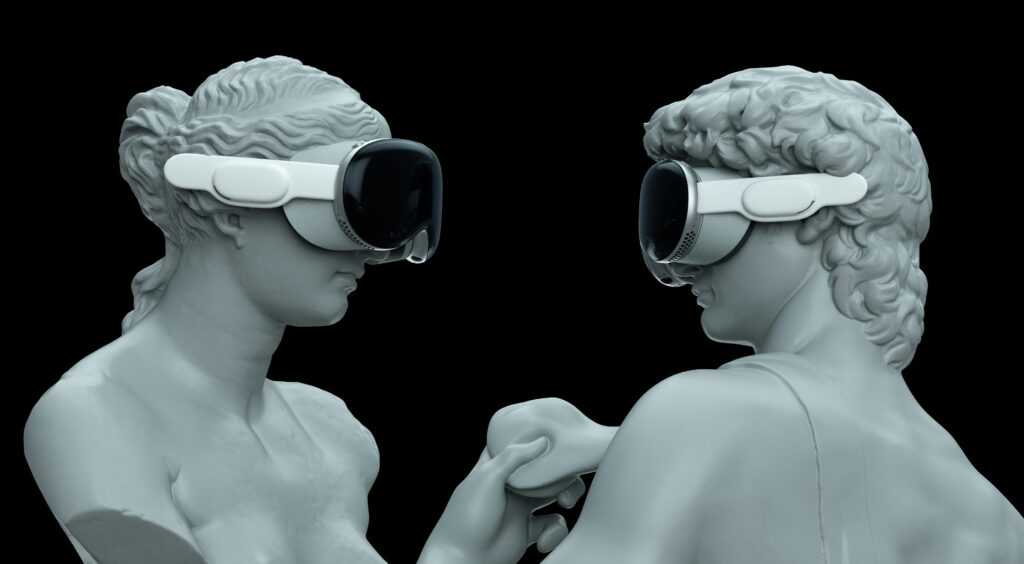
Imagine if world-renowned paintings evolved from soulless images on canvas into whole new universes that welcome you to immerse yourself in. The secret is that cutting-edge technologies are revolutionizing the state of things around us, and the creative space is no exception.
Modernistic virtual tools are breaking new ground, initiating lucrative endeavors spanning various sectors. For instance, writing reports on Non Farm Payroll for Forex trading is now performed through streamlined platforms, robust charting features, and customized visualizations.
Let’s explore how virtual reality adds life to art creations and why this trend is gaining momentum among connoisseurs.
Art Enthusiasts and Virtual Reality
Virtual reality, or VR, aims to generate stunning images and open the door to an all-new, profound, and inner sense of artists’ works. VR is perceived as the next milestone, blurring the boundaries between onlookers and masterpieces, creating breathing space for imagination and innovativeness.
Imagine a world-renowned museum hall filled with a deafening silence, with Van Gogh’s “Starry Night” before your eyes. The master’s brushes masterfully convey the starry sky, and today, viewers can immerse themselves in the whirlwind of a cosmic dance, sense the pulse trembling beneath the artist’s brush, and observe the cypress trees swaying—all thanks to a bold plunge into the future.
Once we’ve stepped beyond the painting, we’re no longer mere observers, but direct participants in the events on the canvas. The brushstrokes feel tangible, the air is filled with the scent of paint, and characters in the pictures become random passersby. It’s more than just observing art—it’s embracing it.
How Museums Are Reconsidering the Concept of Virtual Reality
Virtual reality technologies are breaking the norms of museum exhibitions, allowing art lovers to rethink the very concept of a presentation. For example, the Museum of Fine Arts Project is pioneering the VR museum, bringing together world-class masterpieces of sculpture, painting, and literature—all within a virtual space.
What is unique about these state-of-the-art premises? Museum visitors wear VR headsets within their homes to wander through virtual halls, examine magnum opus from any distance, zoom in on intricacies, and even step into creations, becoming an integral part of the composition.
An even more captivating example of virtual reality is the project “Evening with the Impressionists: Paris 1874,” dedicated to the 150th anniversary of the first Impressionist exhibition at the Musée d’Orsay in Paris. This is no longer just a virtual gallery, but a genuine time machine!
VR technology allows you to immerse yourself in historical events, absorb the beauty of paintings, hear audience discussions, and even “meet” the artists themselves, including Claude Monet, Auguste Renoir, Berthe Morisot, Paul Cézanne, Camille Pissarro, and Edgar Degas, among others.
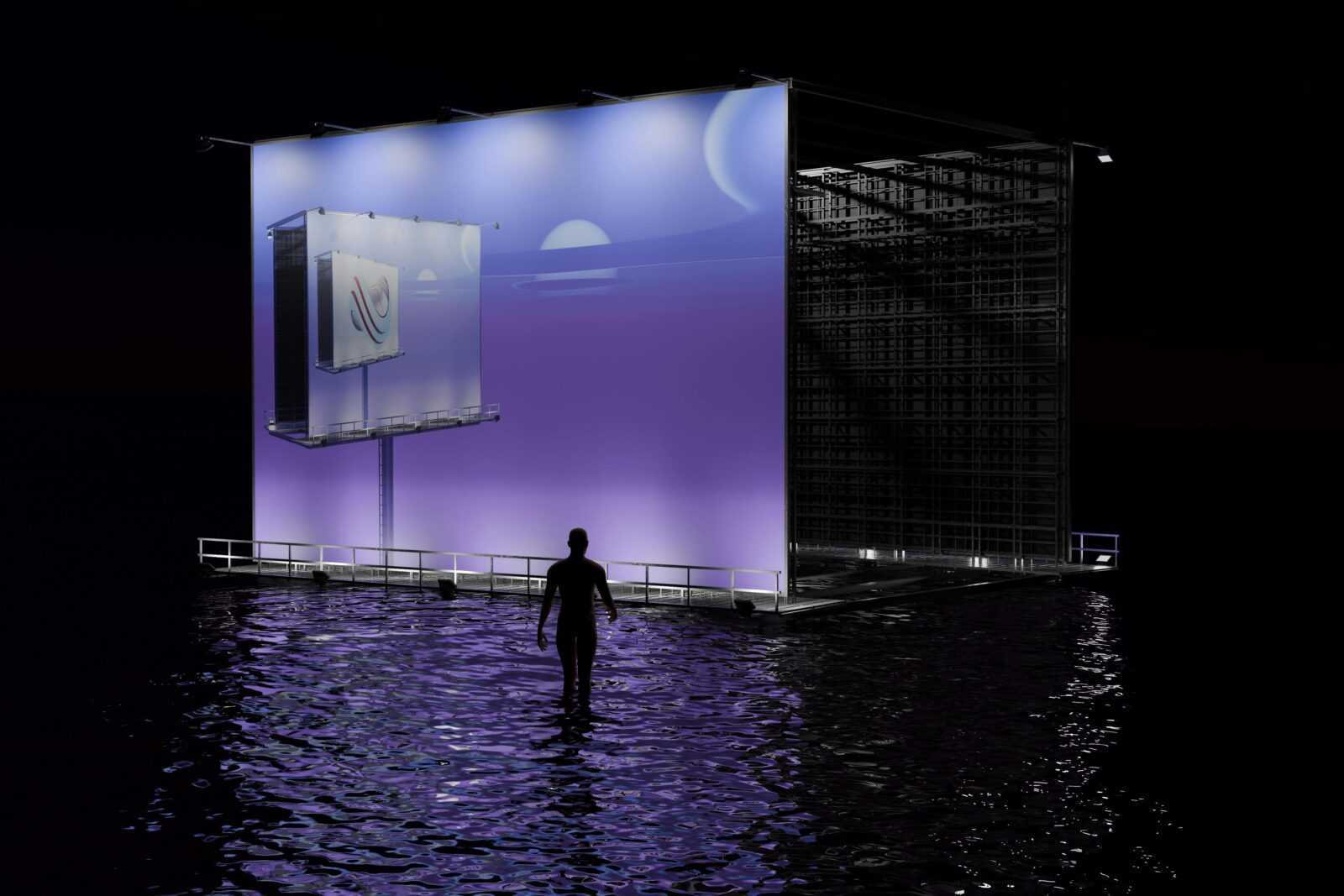
With staggering possibilities of computer-simulated reality, we can dream big while animating timeless creations. Imagine listening to Monet himself telling the story of how his masterpieces were brought into being. This inspiring progress not only allows you to enjoy the finest pieces of work but also relives the atmosphere of the era: hear the sounds of Paris, catch a whiff of the paint, and even pay a visit to the places where famous paintings were created.
The Benefits of VR Immersion into Art
Virtual reality’s capabilities are expanding each year: graphics quality is improving, data presentation formats—4D and 5D—are being added, and more surprises are around the corner. Consequently, the technology’s advantages are also growing:
- “Presence effect.” It’s possible to explore the museum’s exhibitions from thousands of kilometers away. A virtual tour creates a sense of real presence for visitors: the closer they zoom in on a particular exhibit, the more memorable their virtual museum visit is expected to be.
- An opportunity to complement a physical tour. A virtual walk-around can demonstrate exhibits that are out of display due to storage conditions or restoration. What’s more, VR tours suggest interaction with the space—touching, examining, and activating projections, such as virtual reality animations.
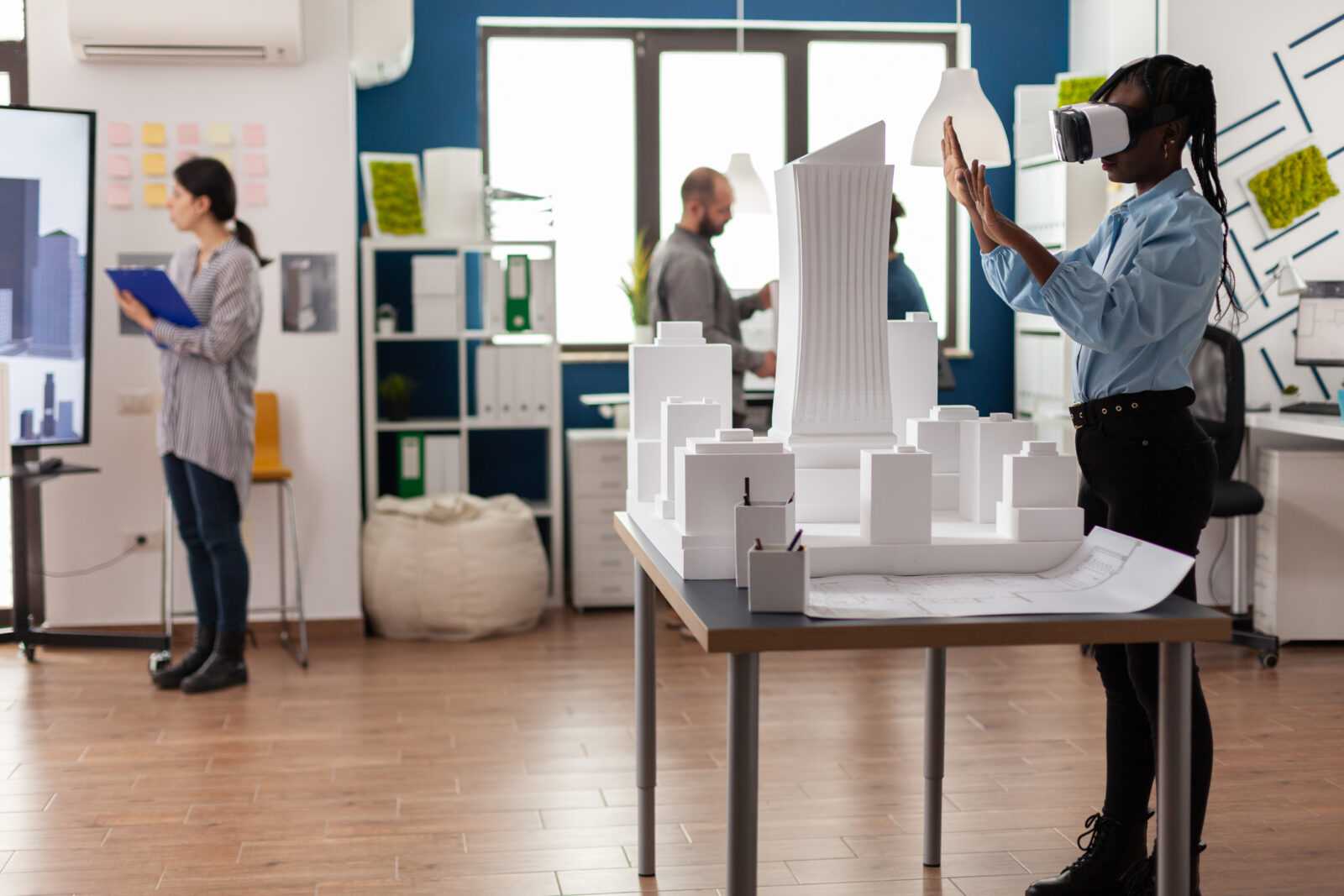
- Independent control of viewing and visit timing. Museum visitors can plan their own itinerary: the online visits are available around the clock. As an extra perk, this type of museum visit is suitable for those who prefer to avoid crowds.
- The entire space can be viewed without restrictions—from floor to ceiling. The tour presents the entire room in a three-dimensional manner. It can cover exhibits of any size—from a small thematic exhibition to all the halls of a massive museum.
- The ability to access and print your 3D models. Some museums make 3D models of exhibits publicly available, so anyone can download the model and reproduce it on a specialized 3D printer.
The Bottom Line
Virtual reality is becoming essential for galleries today. This technology allows visitors to get as close as possible to historical moments and exhibits while preserving the feeling of uniqueness and making high art more accessible to everyone.