
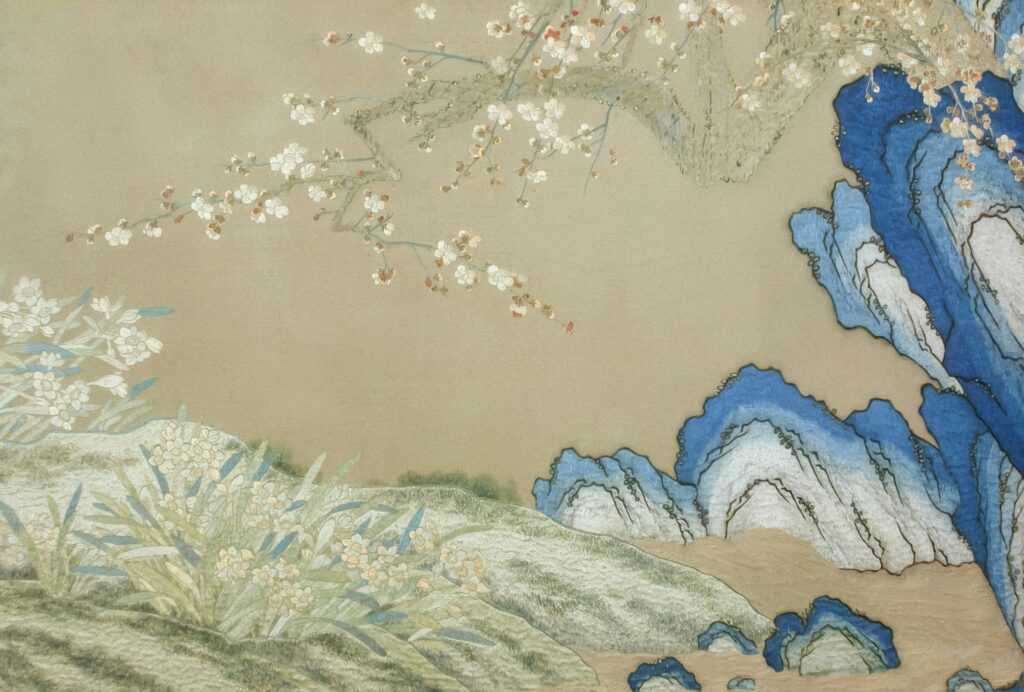
The global art market continues to reflect the strength and influence of Chinese art. In 2021, China accounted for 20% of global art sales, highlighting its significant role in shaping artistic trends worldwide. This influence extends beyond galleries and museums into modern forms of entertainment, including film, gaming, fashion, and digital media.
Chinese art traditions include calligraphy, ink painting, porcelain design, and mythology. These elements continue to inspire creators across industries. As technology advances, cultural themes are increasingly integrated into global entertainment, particularly within gaming and pop culture.
Video Games Draw from Chinese Mythology and Visual Design
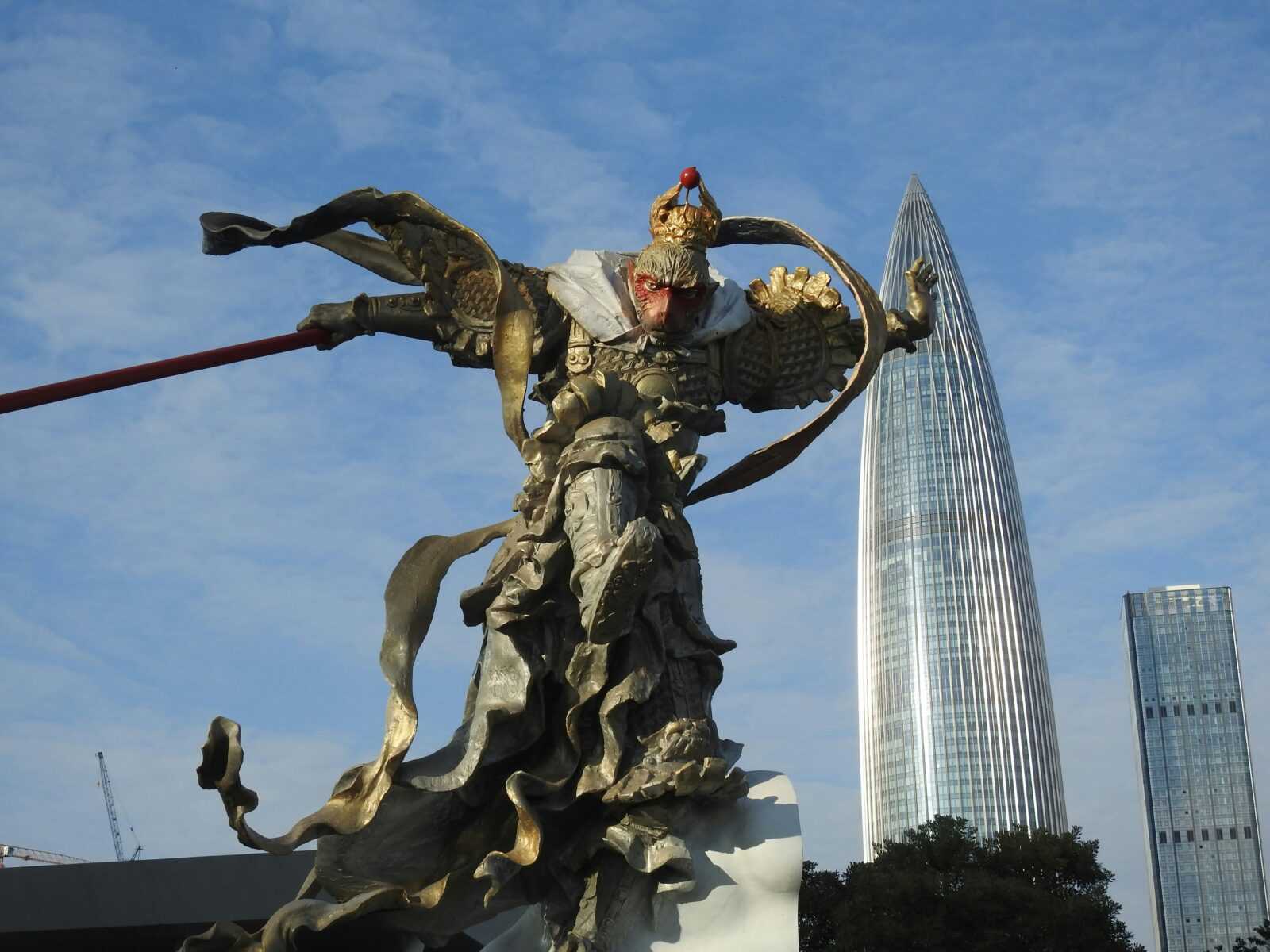
Video games frequently draw inspiration from Chinese art and storytelling. Developers incorporate traditional themes such as dynastic history, folklore, and symbolic design into gameplay and environments.
A strong example is Wuchang: Fallen Feathers, which reflects Chinese historical settings and artistic influences through detailed landscapes and character design. Another major title is Black Myth: Wukong, inspired by the classic novel Journey to the West. The game uses traditional mythology and visual aesthetics to create a rich and immersive experience.
Games like Total War: Three Kingdoms also draw heavily from Chinese history and art, incorporating traditional armor design, architecture, and battlefield strategy rooted in historical records. These titles show how Chinese artistic traditions shape both narrative and visual identity in gaming.
Film And Television Showcase Chinese Artistic Traditions
Chinese art has a strong presence in global film and television. Directors use traditional aesthetics to create visually striking productions that reflect cultural heritage.
Films such as Hero and House of Flying Daggers, directed by Zhang Yimou, feature vibrant color palettes, choreographed movement, and composition inspired by traditional Chinese painting. These films present storytelling through visual symbolism and artistic precision.
More recent productions like The Wandering Earth show how Chinese visual identity continues to evolve within modern science fiction. Television series such as The Untamed and Love Between Fairy and Devil incorporate historical costumes, calligraphy-inspired design, and mythological themes that connect to traditional art forms.
International productions have also embraced these influences. Mulan draws from Chinese art and cultural symbolism in its set design and costume choices.
Online Gaming Reflects Cultural Themes and Design
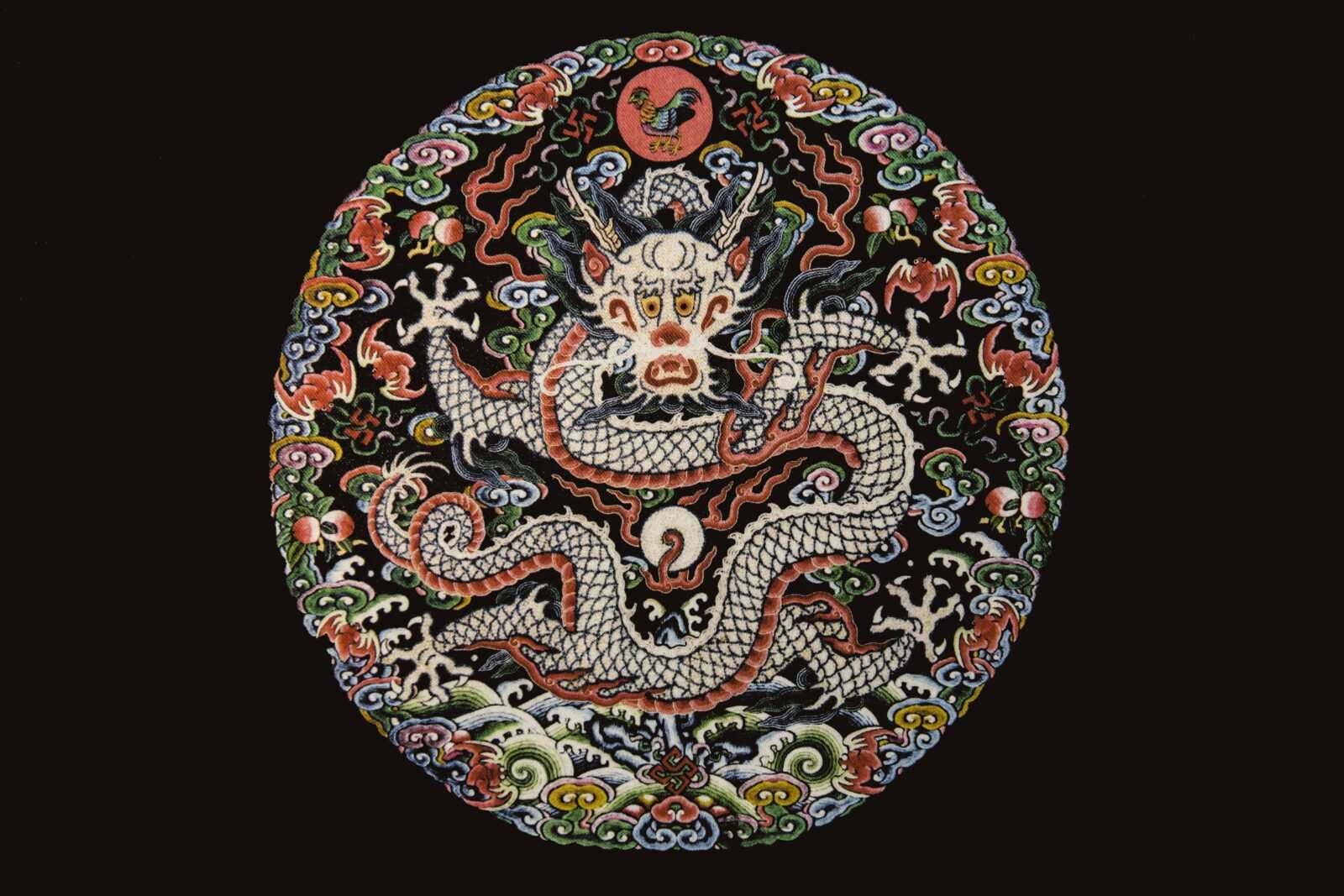
Online gaming platforms have embraced Chinese art through themed experiences that highlight history and mythology. Developers integrate traditional symbols, music, and visual elements into gameplay. Jili online titles such as Chin Shi Huang, War of Dragons, and Shanghai Beauty draw inspiration from Chinese history and folklore. These games incorporate artistic elements such as imperial imagery, mythological creatures, and traditional architecture.
The use of Chinese themes in online gaming allows players to engage with cultural elements through interactive content. This approach supports global awareness while enhancing the visual and narrative depth of games.
Fashion Designers Incorporate Traditional Motifs
Chinese art continues to influence global fashion through designers who integrate traditional motifs into modern collections. Patterns such as dragons, phoenixes, and floral designs appear in contemporary clothing and accessories.
Designers like Guo Pei have gained international recognition for incorporating traditional Chinese embroidery and craftsmanship into haute couture. Her designs often reflect imperial styles and artistic detail rooted in Chinese history.
Brands such as Shanghai Tang focus on modern interpretations of traditional Chinese fashion, blending cultural elements with contemporary design. International designers, including Dior and Valentino, have also drawn inspiration from Chinese art, incorporating motifs and color palettes into their collections.
This influence highlights how traditional art forms continue to shape global fashion trends.
Music and Digital Media Highlight Cultural Expression
Chinese artistic influence extends into music and digital media. Artists incorporate traditional instruments such as the guzheng and erhu into modern compositions, creating a blend of historical and contemporary sound.
In film and gaming, soundtracks often reflect Chinese musical traditions. Productions such as Crouching Tiger, Hidden Dragon, with music composed by Tan Dun, demonstrate how traditional elements enhance storytelling.
Digital platforms allow artists to share their work globally, which supports the continued integration of Chinese art into modern media. This accessibility ensures that cultural influences remain visible across different forms of entertainment.
A Lasting Influence Across Industries
Chinese art continues to shape pop culture and gaming through its rich history and visual language. Its influence appears in video games, films, online platforms, fashion, and music, creating connections between traditional and modern forms of expression.
By integrating cultural elements into global entertainment, creators ensure that Chinese artistic traditions remain relevant. This ongoing influence reflects the adaptability of these traditions and their ability to inspire new generations across industries.