
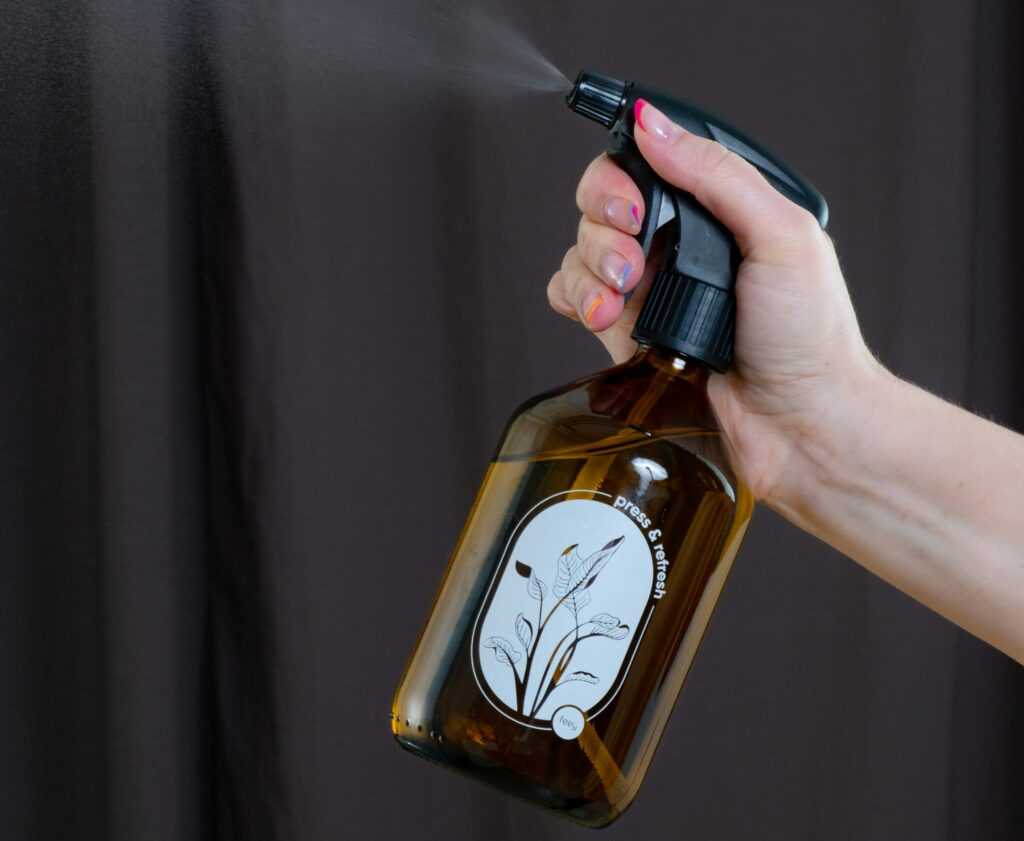
Essential oil sprays are one of the simplest and most versatile aromatherapy products you can make at home. They can freshen a room, deodorize fabrics, support relaxation, boost focus, or simply add a natural scent to your environment.
Learning how to make essential oil spray gives you full control over ingredients, fragrance strength, and intended use. It also allows you to avoid fillers, synthetic fragrances, and unnecessary chemicals.
Why Make Your Own Essential Oil Spray?
Benefits of DIY essential oil spray include:
- Choosing pure ingredients
- Controlling fragrance strength
- Avoiding artificial perfumes
- Customizing blends for sleep, focus, or mood
- Making gifts for friends and family
- Creating sprays for different rooms and fabrics
The Basic Ingredients You Need to Make Essential Oil Spray
To understand how to make essential oil spray, start with the essential building blocks. Every spray recipe includes three main components: water, a carrier or emulsifier, and essential oils.
Water
Distilled water is best because it reduces impurities and extends the life of the spray. Tap water can work in a pinch, but it may shorten shelf life or alter the scent.
Carrier or Emulsifier
Essential oils do not naturally mix with water. You need an emulsifying agent to help distribute the oils evenly. Common options include:
- Witch hazel
- Vodka
- Unscented alcohol
- Fractionated coconut oil (for thicker sprays)
- Solubol or other natural solubilizers
Witch hazel is popular because it is gentle and helps the scent disperse. Alcohol helps the spray dry quickly on fabrics and improves blending.
Essential Oils
Choose good quality oils based on the purpose of your spray. A few examples:
- Relaxation: Lavender, chamomile, blue lotus
- Energy: Lemon, peppermint, grapefruit
- Focus: Rosemary, eucalyptus, basil
- Freshening: Tea tree, lemongrass, orange
Start with simple blends and adjust as needed. Most use 15 to 30 drops per 4-ounce bottle, depending on desired strength.
Step-by-Step: How to Make Essential Oil Spray
Here is the most straightforward method for making a balanced, long-lasting spray.
1. Choose Your Bottle
A 2 to 4-ounce glass spray bottle works best. Amber or cobalt bottles protect oils from light exposure, which helps preserve the scent and quality.
2. Add Your Emulsifier
Pour one to two tablespoons of witch hazel or alcohol into the bottle. This helps oils mix more evenly with the water.
3. Add Your Essential Oils
Add 15 to 30 drops of essential oils depending on how strong you want the fragrance. You can blend several oils or stick to a single scent.
Sample combinations:
- Lavender + chamomile for sleep
- Orange + bergamot + lemon for energy
- Tea tree + lemon for a natural deodorizing spray
- Eucalyptus + rosemary for clarity and focus
4. Fill With Distilled Water
Fill the rest of the bottle with distilled water, leaving a little space at the top to shake the mixture.
5. Shake Well
Shake vigorously to combine. Because natural oils separate over time, shake before each use to ensure an even mist.
6. Label Your Bottle
Write the scent blend and the date you created the spray. Labeling helps with rotation and prevents confusion.
Tips for Making Different Types of Essential Oil Sprays
Once you understand how to make essential oil spray, you can adjust the ratios depending on how the spray will be used.
Room Sprays
Use stronger blends with bright or cleansing oils such as lemon, eucalyptus, blue lotus, or pine. Alcohol-based carriers help the scent release more quickly into the air.
Linen Sprays
Use relaxing or gentle oils such as lavender, chamomile, cedarwood, or bergamot. Avoid oils that stain fabrics, such as vetiver or patchouli in high concentrations.
Body Sprays
Use mild oils and keep the total essential oil drops on the lower end. Popular choices include lavender, grapefruit, ylang-ylang, and vanilla blends. Avoid photosensitive citrus oils when spraying on skin before sun exposure.
Safety Considerations
Essential oils are powerful, so use them thoughtfully:
- Keep sprays away from eyes and sensitive skin
- Do not use strong oils on pets or near small children without guidance
- Avoid spraying directly on unfinished wood
- Patch test linen sprays on fabric
- Store blends in a cool, dark place
When making body sprays, dilute more than you would for cleaning sprays.
How Long Do Essential Oil Sprays Last
A well-made spray can last several months. Alcohol and witch hazel extend shelf life, while distilled water helps prevent bacterial growth. If the scent weakens, you can refresh it with a few additional drops of essential oil.
Final Thoughts: How to Make Essential Oil Spray
Learning how to make essential oil spray gives you the freedom to create natural, personalized products for any space or mood. With only a few ingredients, you can craft room sprays, linen mists, body blends, and aromatherapy tools that fit your lifestyle.
Whether you prefer energizing citrus oils or calming floral scents, DIY essential oil sprays make it easy to enjoy aromatherapy in a simple and convenient form.