
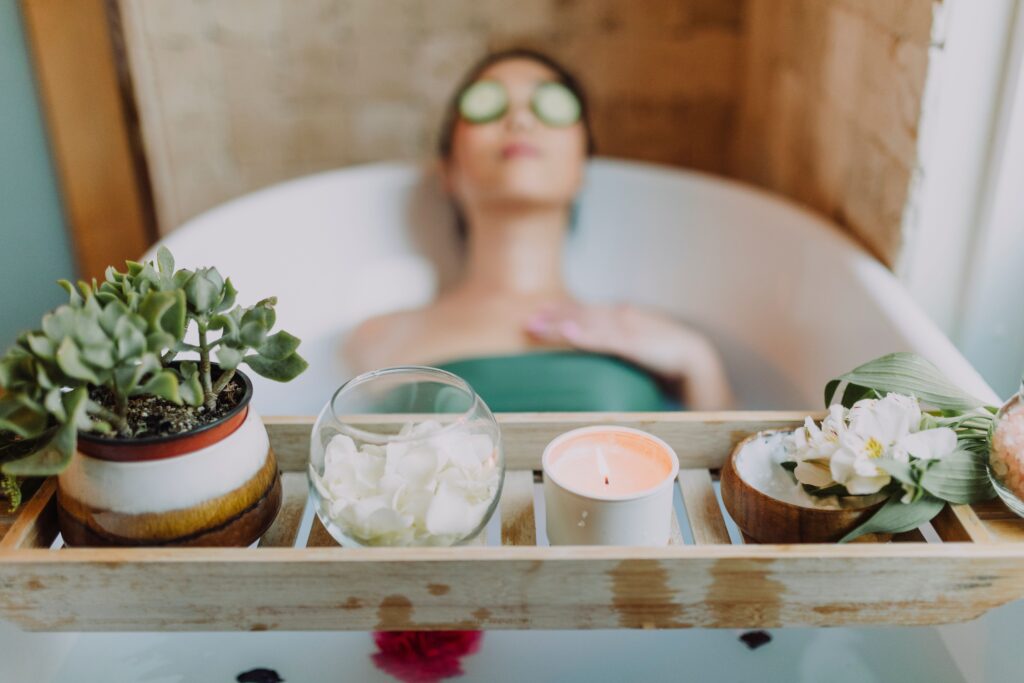
A free hour doesn’t have to be spent doing something useful. You can take a nap, linger over lunch, or sit around doing nothing in particular without needing to justify it. Yet it’s easy to feel that time is being wasted unless you have something to show for it. Rest starts to feel like another task, one that needs a good reason to make it onto the schedule.
In this article, we’ll explain why your time off doesn’t have to improve your productivity or teach you something, or even help you reach a goal. Sometimes, having time that belongs entirely to you is reason enough.
Rest Doesn’t Need to Prove Itself
Time without a plan is not time lost. Your mind needs breaks from constant decisions and input, and leaving part of your day open gives your attention room to recover in a way a scheduled activity rarely allows. A walk with no destination or a nap with no alarm still serves a real purpose, even without a result to show for it afterward. These small pauses let your mind settle before the next demand arrives, and that settling is often what makes the rest of your day easier to manage.
This kind of rest does not need to look impressive to work. A slow cup of coffee, a rerun of a show, or a few quiet minutes at the window can restore your attention just as well as a planned activity, since your mind responds to the absence of demand rather than to what fills the space. Even an hour with nothing planned eases the fatigue that builds up over your working day, without anything to show for it afterward.
Purpose Can Sneak In Anyway
Nobody has to be watching for you to feel pressure to justify your downtime. Sometimes the only audience is you, holding yourself to a bar you didn’t mean to set. You might try to explain why you rest, calling a nap recovery or a slow morning recharging, as though every break needs a reason. This habit turns something meant to feel light into one more thing to defend. Over time, it becomes hard to fully relax, even on a day that’s entirely yours.
Personal Time Isn’t Supposed to Be Tied to a Schedule
Your “me time” doesn’t have to look like anyone else’s to count as rest, and that comparison to other people’s routines is usually where the pressure starts. If you work as a nurse, that day off might fall on a Tuesday; if you freelance, your real break might be a random hour between deadlines rather than a full day away from work. If you work shifts or care for kids, your only downtime might come late at night, long after everyone else’s has already ended.
You might spend that break reading, bingeing a show, or unwinding with some light gaming. If you want something with no goal attached, a short session of a slot game is another option. Super Ace is one card-themed example that is easy to pick up even for someone who has never played a slot game because each round is just a bet and a spin. You can try Super Ace online whenever that kind of pause sounds good.
None of these need to be productive, nor do they need someone else’s approval to count as real rest. What matters is that you decide when your personal time begins, not the calendar, and you decide when it ends too.
Enjoyment Doesn’t Need a Result
That same freedom to decide, though, doesn’t always hold once an activity becomes a hobby rather than just a way to pass the time. Something you pick up purely for enjoyment can slowly become a project with expectations attached, where progress starts to matter more than the activity itself. Your jog can turn into a training plan with numbers to beat, and your sketchbook can become content for an audience to please, instead of a walk or a doodle that answers to no one.
None of this makes the activity wrong. It just removes the version of it that existed only for your enjoyment. The real difference is not the activity itself. It is whether enjoyment or a result sits at the center of it. Once that shift happens, the activity starts to feel like work wearing a different name, and the reason you started it gets lost along the way.
Your personal time was never meant to carry a reason, and it doesn’t owe you one now. The kind of rest that feels hardest to explain is usually the one that needed the least defending in the first place. You don’t have to walk away from an afternoon with something to point to; you only have to let it belong to you while it lasts. That is the whole idea behind personal time without a purpose: not that it produces nothing, but that it never needed to.